
Aluminium profiles have become an important component in modern industrial, manufacturing, automation, and engineering applications. Their combination of lightweight construction, durability, corrosion resistance, and modular design makes them suitable for building machine frames, workstations, safety guards, conveyors, racks, enclosures, and other industrial structures.
For businesses looking for reliable aluminium solutions, choosing the right aluminium profile supplier Malaysia can have a direct impact on product quality, project costs, installation time, and long-term performance. A suitable supplier should not only provide aluminium extrusion profiles but also offer the right accessories, sizes, technical guidance, and customization options for different applications.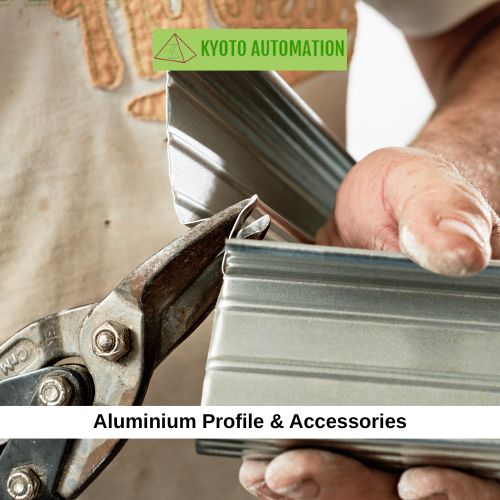
What Is an Aluminium Profile?
An aluminium profile is an extruded aluminium component manufactured into a specific cross-sectional shape. Aluminium billets are processed through specially designed dies to create profiles with consistent dimensions. Depending on the application, profiles can be produced in different sizes, shapes, thicknesses, and configurations.
One popular option for industrial applications is the T-slot aluminium profile. Its grooves allow components such as nuts, bolts, brackets, hinges, and other accessories to be installed without complicated welding or permanent modifications.
For example, 40x40 aluminium profiles are commonly considered for machine frames, workstations, racks, guarding, and other structural applications. Different profile systems are available depending on the required load, dimensions, and assembly method.
Why Are Aluminium Profiles Popular in Industrial Applications?
Aluminium profiles offer several advantages compared with conventional fabricated structures.
1. Lightweight Construction
Aluminium provides a useful balance between low weight and structural performance. This makes it easier to handle, transport, assemble, and modify industrial structures.
For applications where equipment needs to be moved or adjusted regularly, reducing unnecessary structural weight can make installation and maintenance more convenient.
2. Corrosion Resistance
Aluminium naturally develops a protective oxide layer that helps it resist corrosion. Additional surface treatments, such as anodising or powder coating, can further improve appearance and durability depending on the application.
This makes aluminium profiles suitable for manufacturing environments where long-term exposure to moisture or general industrial conditions is a concern.
3. Modular Design
One of the biggest advantages of a modular aluminium profile system is flexibility. Instead of welding every component permanently, users can assemble structures with compatible brackets, fasteners, nuts, hinges, and other aluminium profile accessories.
This allows businesses to modify or expand structures when production requirements change.
4. Easy Assembly and Modification
T-slot profiles are particularly useful for applications requiring frequent adjustments. Components can be attached to the profile slots and repositioned when necessary.
This is useful for factories and workshops that regularly modify production layouts, machine guarding, workstations, or automation equipment.
Common Applications of Aluminium Profiles
Aluminium extrusion profiles are used across many industries because they can be adapted to different structural requirements.
Machine Frames
Aluminium profiles can be used to construct frames for automated machinery, inspection equipment, CNC systems, and other industrial equipment.
Their modular structure allows engineers to create frames according to machine dimensions while leaving room for future modifications.
Workstations
Ergonomic workstations can be constructed using aluminium profiles, allowing businesses to integrate shelves, lighting, monitor mounts, tool holders, and other accessories.
Because the structure is modular, workstation configurations can be changed as production processes evolve.
Safety Guards and Machine Enclosures
Industrial machinery often requires protective guarding around moving components. Aluminium profile framing can be combined with polycarbonate sheets, acrylic panels, wire mesh, or other materials to create safety enclosures.
This provides a practical way to create protective structures while maintaining visibility around machinery.
Conveyor Systems
Aluminium profiles are also used in conveyor structures and material-handling systems. Depending on the design, profiles can provide the supporting framework for conveyor components, guide rails, sensors, and other automation equipment.
Racks and Storage Structures
Businesses can use aluminium profile systems to create lightweight racks, material stands, equipment frames, and storage structures. The modular construction makes it easier to change shelf positions or expand the structure.
Choosing the Right Aluminium Profile Size
Selecting the correct profile size is important because the required strength depends on the structure's dimensions, load, span, and application.
Common industrial profile sizes can include:
- 20x20 aluminium profile
- 20x40 aluminium profile
- 30x30 aluminium profile
- 30x60 aluminium profile
- 40x40 aluminium profile
- 40x80 aluminium profile
- 45x45 aluminium profile
- 45x90 aluminium profile
- 60x60 aluminium profile
The 40x40 aluminium profile, for example, is commonly available for industrial framing applications, while larger profiles may be considered when greater structural support is required. Exact suitability should always be checked against the project's load and engineering requirements.
Aluminium Profile Accessories You May Need
Buying the profile itself is only one part of building an aluminium framing system. The correct accessories are equally important.
Depending on the application, a project may require:
- T-nuts
- Bolts and screws
- Corner brackets
- Joining plates
- Hinges
- End caps
- Caster wheels
- Mounting brackets
- Connecting plates
- Panel holders
- Adjustable feet
Using compatible accessories can make assembly faster and provide greater flexibility during installation and future modifications.
A complete aluminium profile system can therefore be more practical than purchasing profiles separately and trying to source compatible components from multiple suppliers.
What Should You Look for in an Aluminium Profile Supplier?
When selecting an aluminium profile supplier Malaysia, businesses should look beyond price alone.
Product Range
Check whether the supplier provides multiple profile dimensions and suitable accessories. A broader range can make it easier to develop complete structures without combining incompatible systems.
Quality and Material Specifications
Ask about the aluminium alloy, profile dimensions, surface finish, tolerances, and other technical specifications relevant to your project.
Different applications may require different material and strength characteristics, so technical specifications should be confirmed before placing an order.
Customization
Some projects require cutting, drilling, tapping, machining, or other fabrication services. A supplier capable of supporting customization can reduce the need to coordinate with several different companies.
Malaysian aluminium extrusion companies also offer services such as precision cutting, anodising, powder coating, and CNC machining for specific applications.
Technical Support
If you are designing a machine frame or automation structure, technical guidance can be valuable. An experienced supplier should be able to help you identify suitable profile sizes and compatible accessories based on your application.
Delivery and Availability
For manufacturing projects, delays in receiving profiles or accessories can affect installation schedules. Before ordering, confirm stock availability, required lengths, lead times, and delivery arrangements.
Why Choose Kyoto Automation for Aluminium Profile Solutions?
Kyoto Automation provides aluminium profile and accessory solutions for industrial and automation requirements in Malaysia. Its aluminium profile range can be used for applications such as workstations, frames, enclosures, conveyors, and other industrial structures.
For businesses developing automation equipment or industrial structures, having access to compatible aluminium profiles and accessories can simplify the design and assembly process. The right combination of profile dimensions, connectors, brackets, and other components can help create a practical modular system suited to specific production requirements.
Before selecting a profile, customers should discuss the intended application, required dimensions, approximate load, environment, and desired configuration with the supplier. This helps ensure that the selected aluminium framing solution matches the actual project requirements.
Final Thoughts
Aluminium profiles provide a flexible solution for modern industrial and automation projects. From machine frames and safety guarding to workstations, racks, and conveyor structures, their modular design makes them suitable for applications where flexibility and easy modification are important.
When selecting a supplier, consider more than the initial product price. Product quality, profile sizes, accessories, customization capabilities, technical support, and delivery reliability can all influence the success of your project.
For businesses in Malaysia planning an industrial framing or automation project, Kyoto Automation can be considered when looking for aluminium profile and accessory solutions. Selecting the right profile system from the beginning can help create a stronger, more practical, and easier-to-maintain structure.
Read related blog: Common Applications of AL Profile 40x40 in Factory Automation
Frequently Asked Questions
1. What is an aluminium profile used for?
Aluminium profiles are commonly used for machine frames, workstations, safety guards, conveyors, racks, equipment enclosures, and automation structures. Their modular design makes them suitable for projects that may require future modification.
2. What is a T-slot aluminium profile?
A T-slot aluminium profile has grooves along its surface that allow compatible nuts, bolts, brackets, and other components to be attached. This makes assembly and modification easier compared with permanently welded structures.
3. Is 40x40 aluminium profile suitable for machine frames?
A 40x40 aluminium profile can be suitable for many machine frames, workstations, guards, and similar structures. However, suitability depends on factors such as load, frame dimensions, span, joint design, and the specific profile specification.
4. What aluminium profile accessories are required?
Common accessories include T-nuts, bolts, corner brackets, joining plates, hinges, end caps, caster wheels, adjustable feet, and panel holders. The required accessories depend on the structure and profile system being used.
5. How do I choose the right aluminium profile for my project?
Start by identifying the application, dimensions, expected load, operating environment, required flexibility, and preferred surface finish. Then discuss these requirements with your supplier so the appropriate profile size and accessories can be selected.